
High electricity bills are a common complaint during Delhi summers. If your AC is consuming more power than expected, it could be due to poor maintenance, wrong settings, or an underlying issue. Here are 10 proven ways to reduce your AC power consumption.
10 Ways to Reduce AC Electricity Consumption
1. Set the Right Temperature (24-26°C)
Each degree below 24°C increases power consumption by 6-8%. Setting your AC to 26°C instead of 18°C can save 40-50% on cooling costs while still keeping you comfortable.
2. Use the Timer Function
Don't leave the AC running all day. Use the timer to turn it off when you're asleep or away. Even 2-3 hours less per day saves significantly.
3. Regular AC Servicing
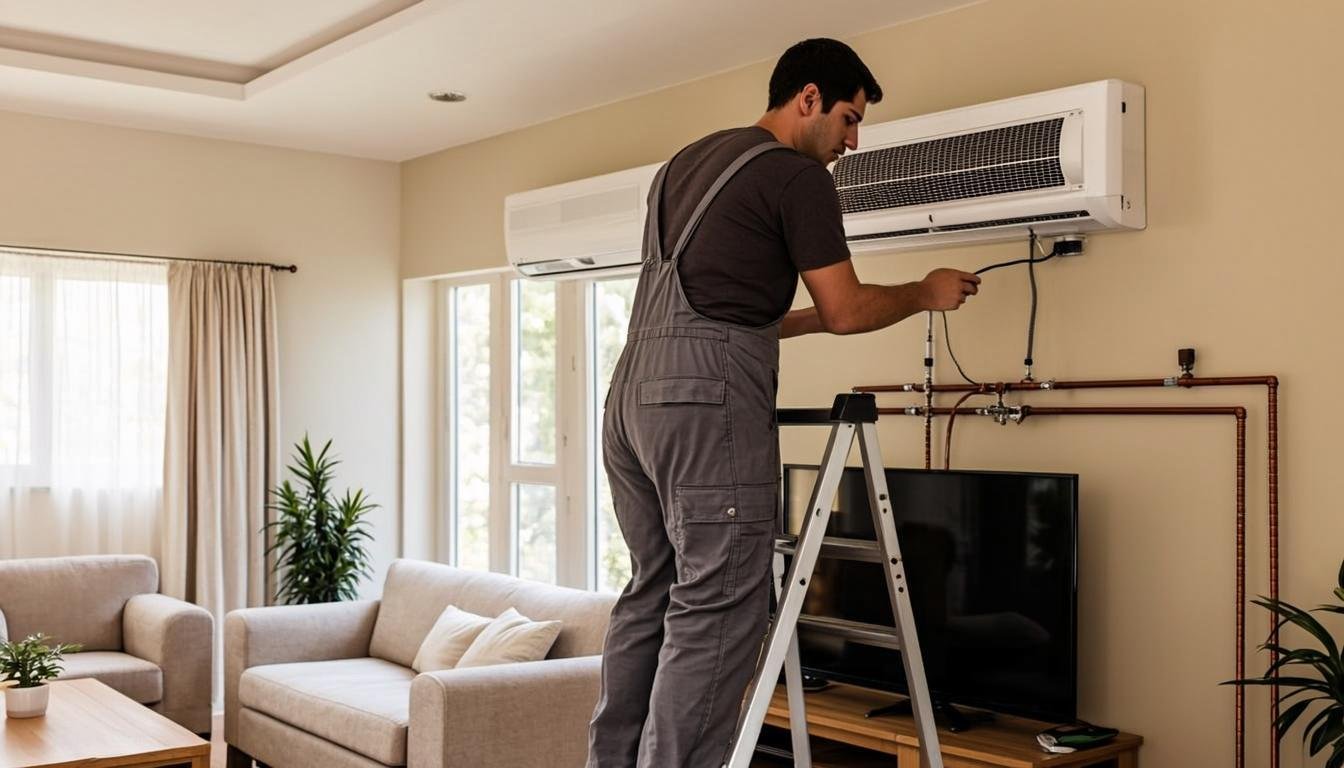
A dirty AC consumes 15-30% more electricity. Regular cleaning of filters, coils, and fins improves efficiency dramatically. Book Home Fixer's deep cleaning at ₹499.
4. Close Doors and Windows
Cooling an open room wastes energy. Close all doors and windows when the AC is running. Use curtains to block direct sunlight.
5. Use Ceiling Fan Together
Using a ceiling fan with the AC allows you to set the temperature 2-3 degrees higher while maintaining the same comfort level. This saves 15-20% on electricity.
6. Check for Gas Leaks
Low refrigerant gas makes the AC work harder and longer to cool, consuming more power. If your AC isn't cooling properly, get the gas level checked.
7. Choose 5-Star Rated AC
5-star rated ACs consume 30-40% less power than 3-star models. While they cost more upfront, the electricity savings pay for the difference in 2-3 years.
8. Install AC in a Shaded Area
An AC in direct sunlight works harder. If possible, install the outdoor unit in a shaded area. This improves efficiency by 10-15%.
9. Use Dry Mode When Humid
During Delhi's humid monsoon, use dry/dehumidify mode instead of cool mode. It removes moisture while consuming less power.
10. Don't Use Auto Mode for Small Rooms
In small rooms, auto mode may overcool. Use a fixed temperature setting instead for better efficiency.
How Much Can You Save?
Following these tips, an average Delhi household can save ₹2,000-₹5,000 per month on electricity bills during summer. The biggest savings come from regular AC servicing and correct temperature settings.
Need Professional Help?
If your AC is still consuming too much power despite following these tips, it may have an underlying issue. Call Home Fixer at 08851017494 for a comprehensive AC efficiency check-up.