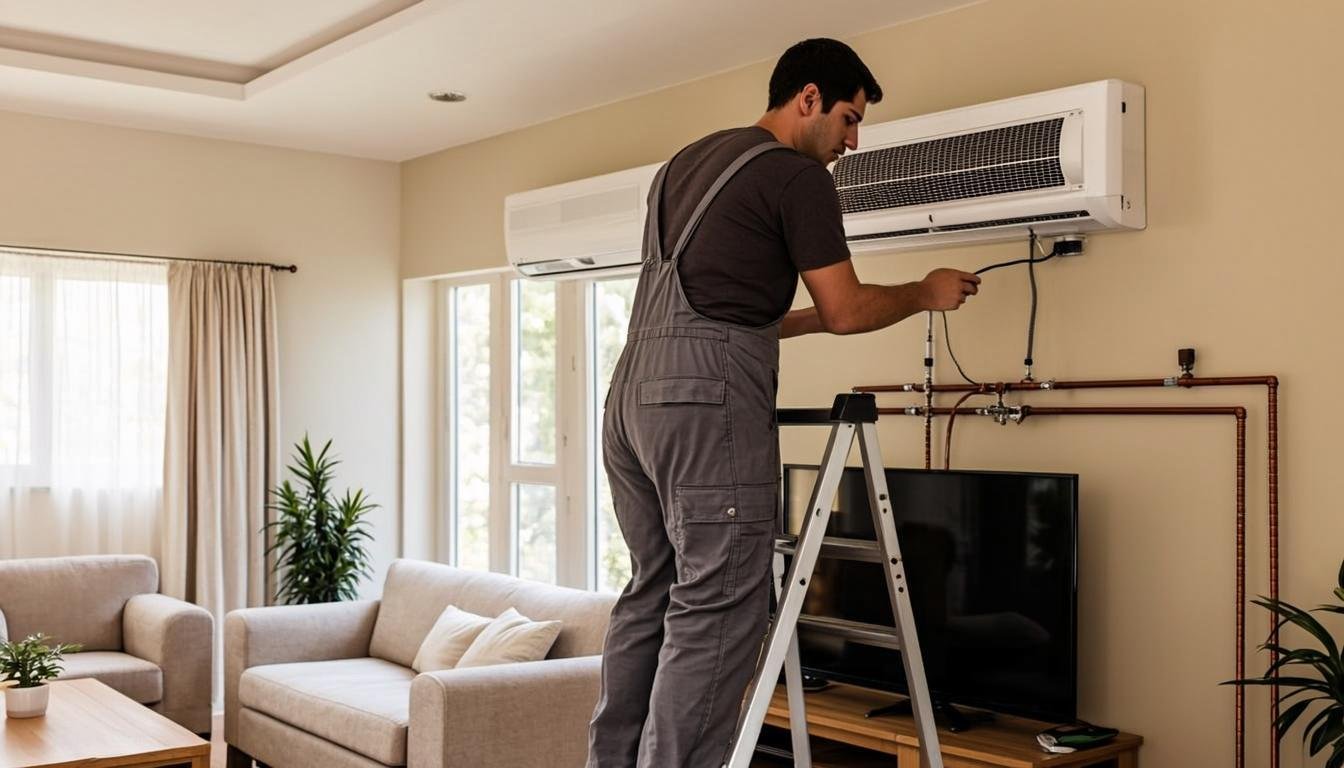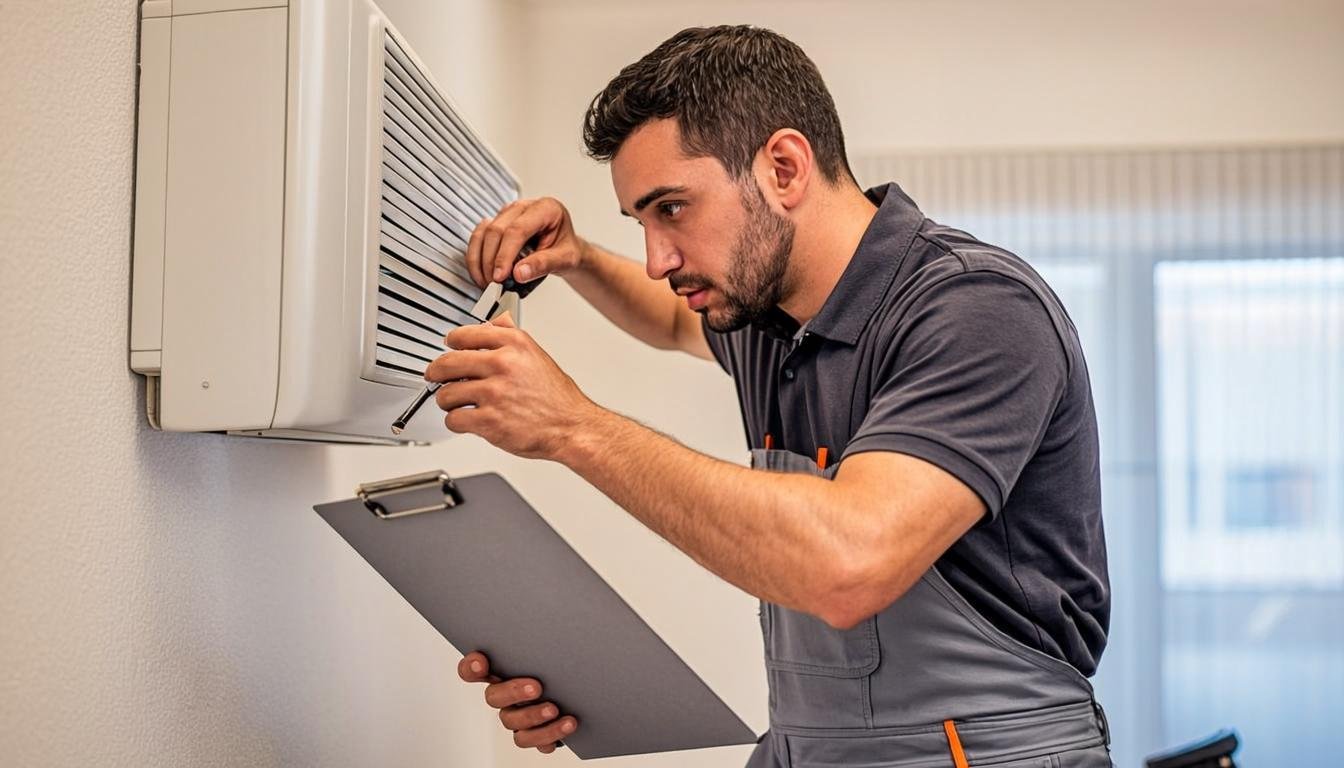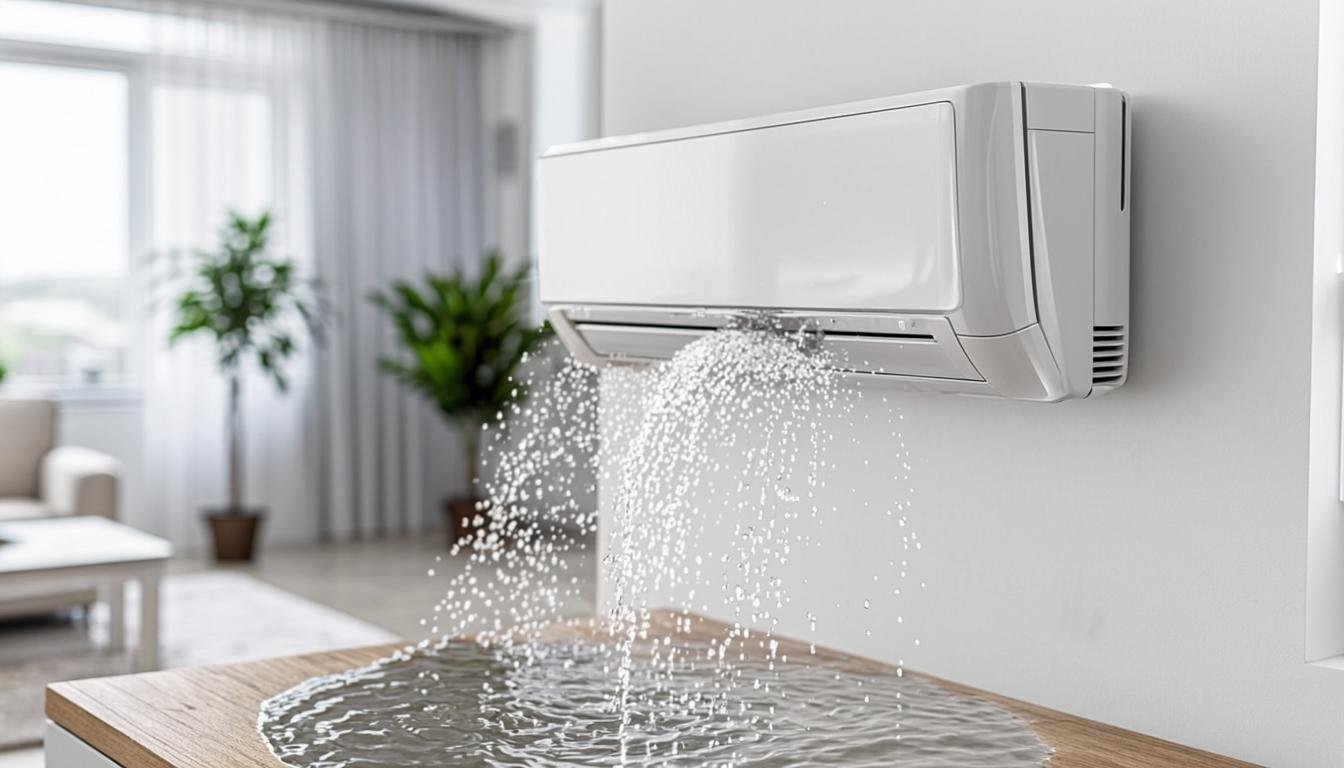
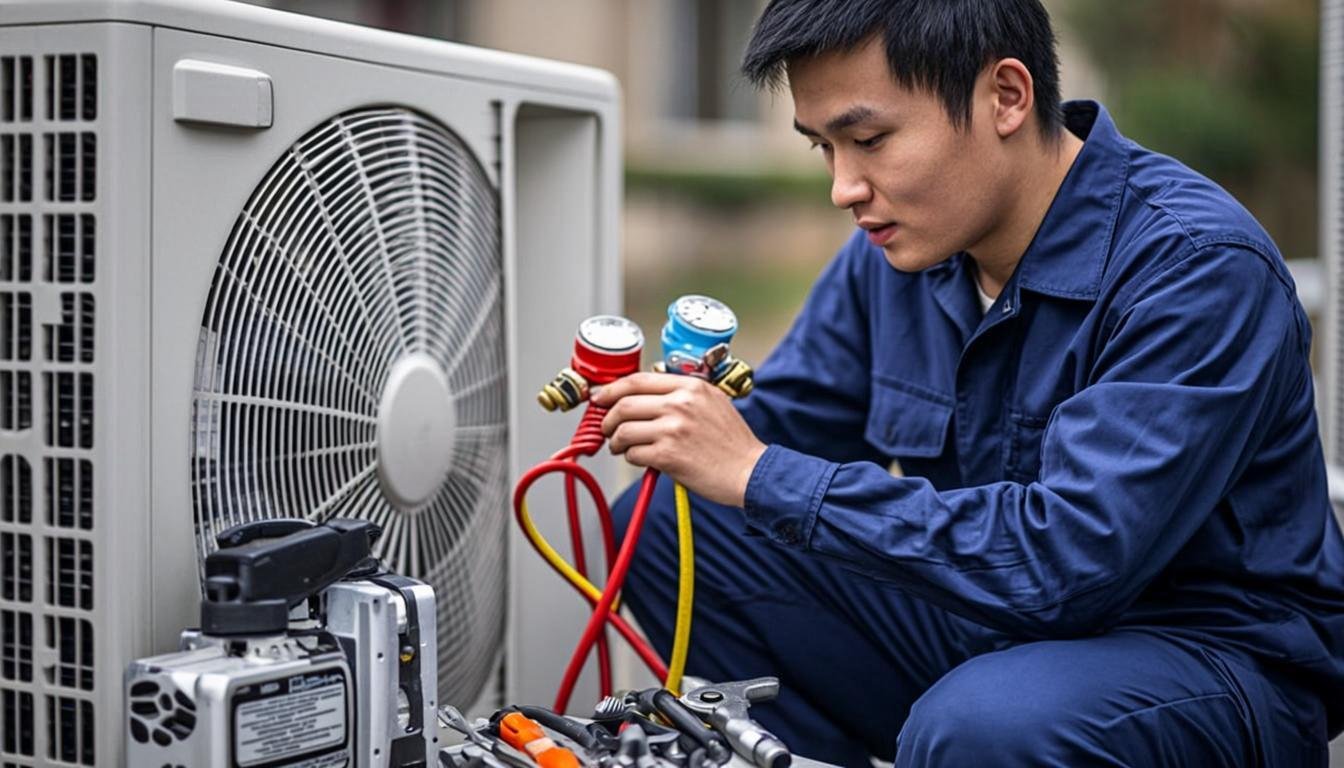
AC gas refilling is one of the most common and essential AC services. Whether your AC is not cooling properly or you hear a hissing sound from the unit, understanding AC gas refilling helps you make informed decisions and avoid being overcharged.
What is AC Gas (Refrigerant)?
AC gas, technically called refrigerant, is the substance that circulates through your AC system to absorb heat from the room and release it outside. It's the key component that makes air conditioning possible.
Types of AC Refrigerant Gas in 2026
R32 Gas
R32 is the latest and most efficient refrigerant used in modern ACs. It offers better cooling efficiency with lower environmental impact.
Pros: 20% more efficient than R410A, lower global warming potential, single component gas.
Cons: Slightly flammable (but safe when handled by professionals), may require new equipment.
Used by: Daikin, Panasonic, LG (newer models), Voltas (newer models)
R410A Gas
R410A has been the standard for the past decade. It's a blend of two gases and is commonly found in mid-range ACs.
Pros: Better efficiency than older R22, widely available, non-flammable.
Cons: Higher global warming potential than R32, requires higher operating pressure.
Used by: Samsung, LG (older models), Blue Star, Carrier, Hitachi
R22 Gas (Phase Out)
R22 is the oldest refrigerant and is being phased out globally due to its ozone-depleting properties. If your AC uses R22, consider upgrading.
Signs Your AC Needs Gas Refilling
AC Gas Refilling Process by Home Fixer
Our professional gas refilling process includes:
Step 1: Leak Detection - We use electronic leak detectors to find and fix all gas leaks before refilling. This prevents future gas loss.
Step 2: System Evacuation - The AC system is evacuated using a vacuum pump to remove any remaining gas and moisture.
Step 3: Gas Charging - Fresh refrigerant is charged using precise gauges to ensure the exact amount recommended by the AC manufacturer.
Step 4: Pressure Testing - The system pressure is tested to ensure there are no remaining leaks.
Step 5: Performance Testing - The AC is run for 20-30 minutes to verify proper cooling performance.
AC Gas Refilling Cost in Delhi 2026
The cost varies based on gas type and AC capacity:
Home Fixer charges ₹1,499 for complete gas refilling including leak detection and pressure testing.