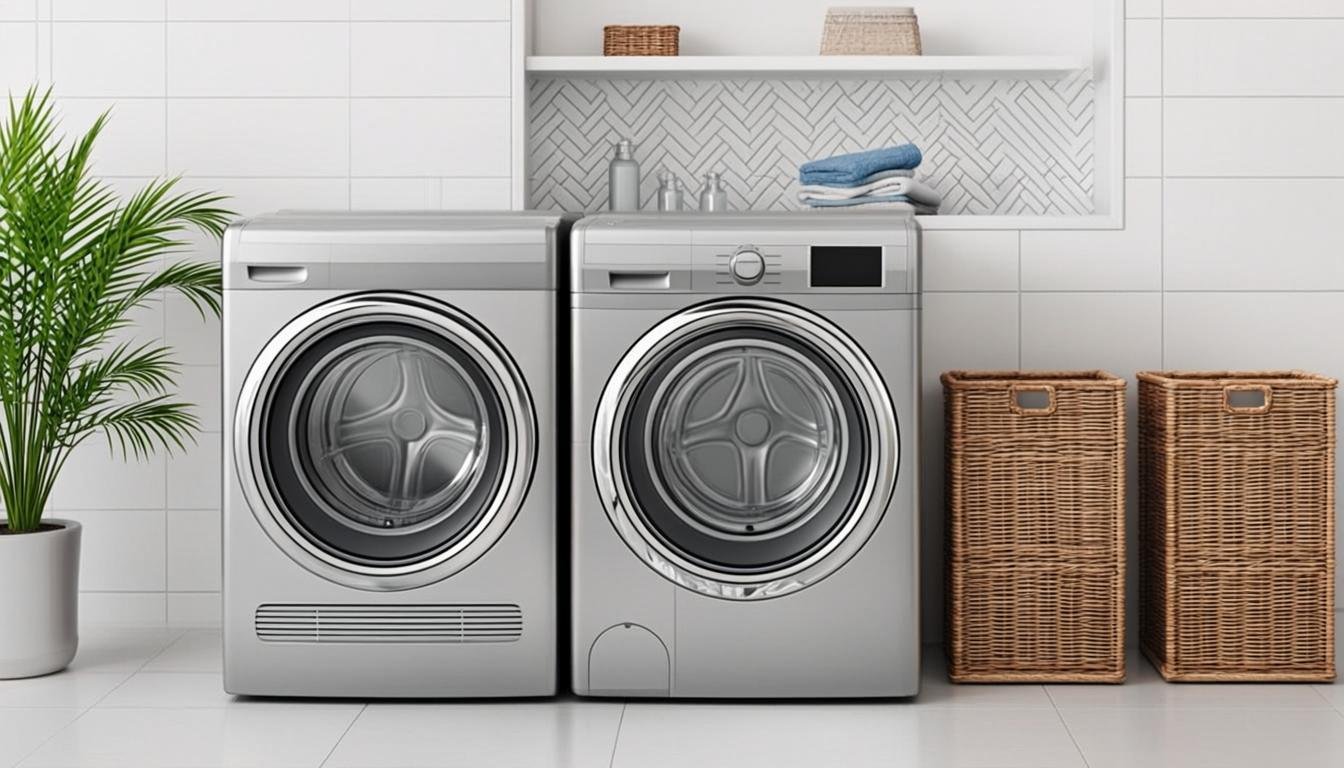
Choosing between a front-load and top-load washing machine is one of the most important decisions when buying a new washer. Both types have their strengths and weaknesses, and the right choice depends on your specific needs, budget, and living conditions. This comprehensive comparison guide from Home Fixer will help you make the best decision for your Delhi home.
Cleaning Performance
Front-Load Winner: Front-load washing machines generally provide better cleaning performance. The tumbling action (clothes are lifted and dropped repeatedly) is more effective at removing stains compared to the agitator or impeller action of top-load machines.
Front-load machines also use gravity to help clean — clothes fall through the water at the bottom of the drum, creating a more thorough wash. For Delhi's hard water conditions, this extra cleaning power makes a noticeable difference.
Water and Detergent Usage
Front-Load Winner: Front-load machines use 30-50% less water than top-load machines because the drum rotates horizontally and clothes only need to be partially submerged. This is especially beneficial in Delhi where water conservation matters.
Front-load machines also require less detergent — about 2-3 tablespoons per load compared to a full cup for some top-load machines. Always use HE (High Efficiency) detergent for front-load machines.
Energy Efficiency
Front-Load Winner: Front-load machines spin at higher speeds (1,000-1,400 RPM vs 600-800 RPM for top-load), extracting more water from clothes. This means less time in the dryer or on the clothesline, saving energy. Front-load machines also use less electricity for heating water.
Wash Cycle Time
Top-Load Winner: Top-load machines typically have shorter wash cycles (30-50 minutes) compared to front-load machines (60-120 minutes). If you need quick daily washes, top-load is more convenient.
However, most modern front-load machines offer quick wash modes (15-30 minutes) for lightly soiled clothes.
Ergonomics and Convenience
Top-Load Winner: Top-load machines don't require bending to load and unload, making them more comfortable for elderly users and those with back problems. You can also add clothes mid-cycle in most top-load machines.
Front-load machines require bending to load, though placing them on a pedestal (12-15 inches tall) can help. Once started, most front-load machines lock the door and you can't add clothes.
Maintenance and Durability
Top-Load Winner: Top-load machines are generally easier to maintain. The door seal in front-load machines can develop mold and mildew in Delhi's humid conditions, requiring regular cleaning. Top-load machines have simpler mechanisms and are less prone to seal-related issues.
However, front-load machines cause less wear on clothes due to the gentler tumbling action versus the agitator in some top-load machines.
Initial Cost and Repair Cost
Top-Load Winner: Top-load machines are generally cheaper to buy (₹12,000-₹35,000) compared to front-load machines (₹20,000-₹60,000+). Repair costs also tend to be lower for top-load machines.
Verdict: Which One Should You Buy?
Choose Front-Load if you prioritize cleaning performance, water/energy efficiency, and gentle fabric care. Ideal for families with regular heavy laundry needs.
Choose Top-Load if you want lower initial cost, shorter cycles, easier maintenance, and ergonomic convenience. Ideal for smaller households and elderly users.
Home Fixer Repairs Both Types
Regardless of which type you choose, Home Fixer provides expert repair service for both front-load and top-load washing machines across Delhi NCR. Call 08851017494 for same-day service with a 90-day warranty.